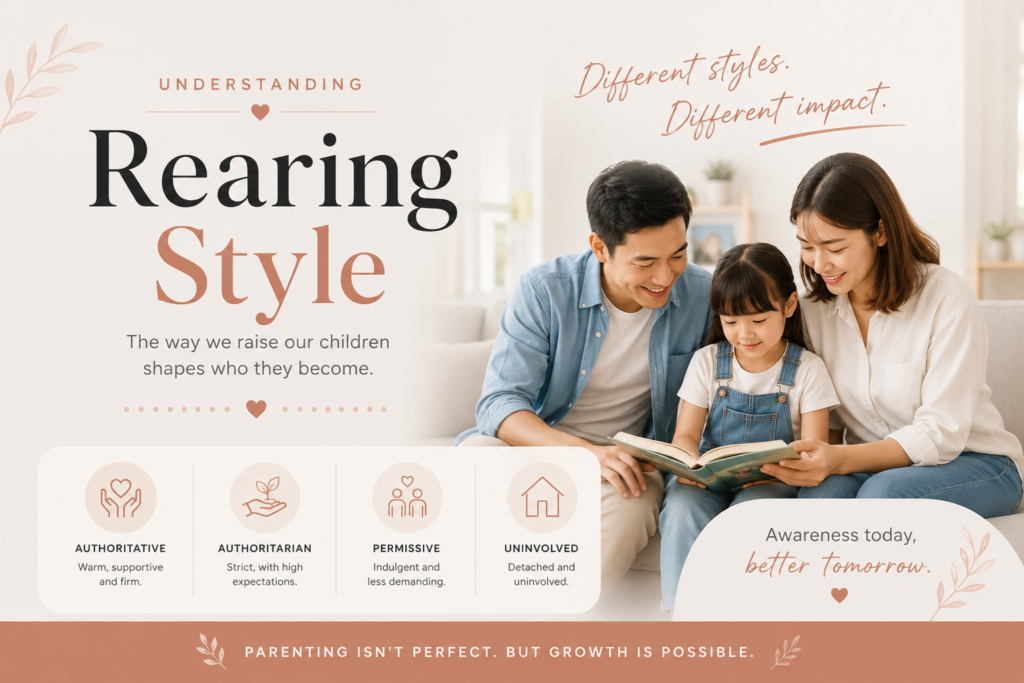
1. Definition of Unconditional Parenting
“Unconditional parenting is an approach that involves raising children with love, respect, patience, and understanding.”
Unconditional parenting means treating your children with love in every situation. You should always encourage and support your kids, regardless of their success or failure.
In most cases, children get rewards and compliments only if they excel in academics or behave accordingly. But in case of unconditional parenting, children should receive love due to the very fact of their being.
The goal of unconditional parenting is to form a powerful connection between a parent and child. This method does not presuppose intimidating and threatening kids; education takes place on the basis of communication.

This is different from instances where the parent himself/herself becomes a victim of the misbehaviour of the children. The parents in this case scold the children but do not shout at them. Instead of harshly telling children that spilling milk is bad behaviour, parents guide and teach them how to correct the mistake and clean up the mess.
This is through the way he will develop discipline without losing his self-respect.
Kids who receive respect at home will respect themselves. It is through self-respect that kids will be able to handle whatever situation comes their way in life.
2. The Desire for Love and Emotional Security
Unconditional parenting is a method where one’s philosophy centres on love. Emotionally, people are in need of security, making them feel comfortable with themselves. People raised in a loving environment to. “To provide emotional security, parents should show concern for their children, understand them, and offer support when needed. Sometimes, children can become irritated or fearful over issues they do not quite understand.”
According to unconditional parenting philosophy, parents must always love and be patient under any circumstances.
For example, in case a kid performs badly at school, parents will neither blame nor ridicule him/her but will motivate the child to study better instead.
Additionally, emotional support helps the children develop their empathic feelings and compassion. It is possible to learn how to be respectful to others because they are treated with respect in the family. A loving family helps their child develop the tools to manage fear and anxiety. This builds a strong, lifelong bond between parents and their children. Today, gadgets and work demands often distract parents. Despite these diversions, prioritising quality bonding time remains essential.
. Bonding does not involve engaging in multiple activities; rather, talking while sitting at the dining table, reading books, or playing cards would be enough to form numerous good memories. What is important is for the child to realize that his/her parents love him/her; thus, feeling safe emotionally.
3. Positive Discipline in Unconditional Parenting
Discipline is a vital part of any family. However, unconditional parenting focuses on positive discipline rather than fear-based punishment. This approach teaches children how to make good choices, instead of teaching them what to fear.
Positive discipline involves instilling the sense of responsibility without harming the self-respect of the child.
While traditional punishments may instil feelings of fear and anger within the child, such punishments may only work as far as obedience is concerned, and may not teach the child anything substantial.
For example, if a child has broken something owing to the fact that he was playing irresponsibly, then the parent could have sat him down and told him why he did wrong and even made him mend his ways. Hence, instead of being fearful, he would learn responsibility.
The second element in unconditional parenting is communication. The parent makes it clear why this particular rule exists and even hears out what he has to say.
Another thing that parents have to consider when being positive parents is patience. This is because mistakes are expected since the kid is still growing and maturing, and this means that parents will guide their kid patiently.
Parents must create limits for kids so that kids can grow up safely and with discipline. These limits must be reasonable and set out of love.
Positive discipline helps to develop the children’s emotional intelligence and discipline. Hence, they behave themselves not because they fear any consequences but only because they want to do so.

4. Advantages of Unconditional Parenting on the Child
There are numerous advantages that arise out of unconditional parenting. . If a child is loved and supported, he grows up to be an emotionally sound and confident person.
One of the first advantages of unconditional parenting is an increase in self-confidence levels among children. Being assured of being loved by their parents no matter what makes children feel more self-worthful. This is an attribute that helps them excel in school and elsewhere in life.
Secondly, the mental wellbeing of the child also gets improved due to unconditional parenting. Since they know that they are always going to be supported emotionally, they do not suffer from anxiety and other forms of psychological problems such as depression.
Thirdly, unconditional parenting also helps improve communication skills in children.

It makes the child more independent as well, since instead of dictating everything to their kids, parents raise and instruct their children while still giving the opportunity for them to learn on their own. It makes them responsible and confident individuals.
Moreover, the relationships within families under this parenting style turn out to be better because children feeling respected will always stay close to their parents and maintain warm relationships with them.
Additionally, such kids tend to be gentler, empathic, and respectful to people because they were taught all these qualities by their families, where they learned that love has nothing to do with achievements or perfectionism.
5. The Impact of Unconditional Parenting
It is obvious that the results of unconditional parenting remain relevant even in the long term despite the fact that they have become adults.
The kids whom the parents loved and cared about throughout their childhoods become decent citizens of society. They are very respectful and well adjusted in terms of interpersonal relations. Moreover, unconditional parenting helps a child gain much self-confidence.
In case a child was brought up in an environment full of unconditional love, he can communicate freely and find easy ways to solve any existing conflicts with other people.
This is due to the fact that he received the same respect from other people, and therefore, he also treats others with respect.
Another contribution that unconditional parenting brings into the lives of children is the healthy condition of their psyche. In a warm and respectful environment, children do not experience fears or any anxieties. They also know that they are valuable irrespective of the degree of their success.
Upon attaining adulthood, most of these individuals will certainly adopt the type of parenting defined by love because of their upbringing in such an atmosphere.
As such, in cases where people adopt unconditional parenting, there will certainly be the emergence of future healthy and loving generations.
Although parenting may sometimes be very tough, it must always be recognised that adopting love, empathy, and patience in parenting is of great importance.
There is no need to be a perfectionist; just doing a few things can make all the difference.
Unconditional parenting simply entails parenting one’s kids with love instead of fear.