
Introduction
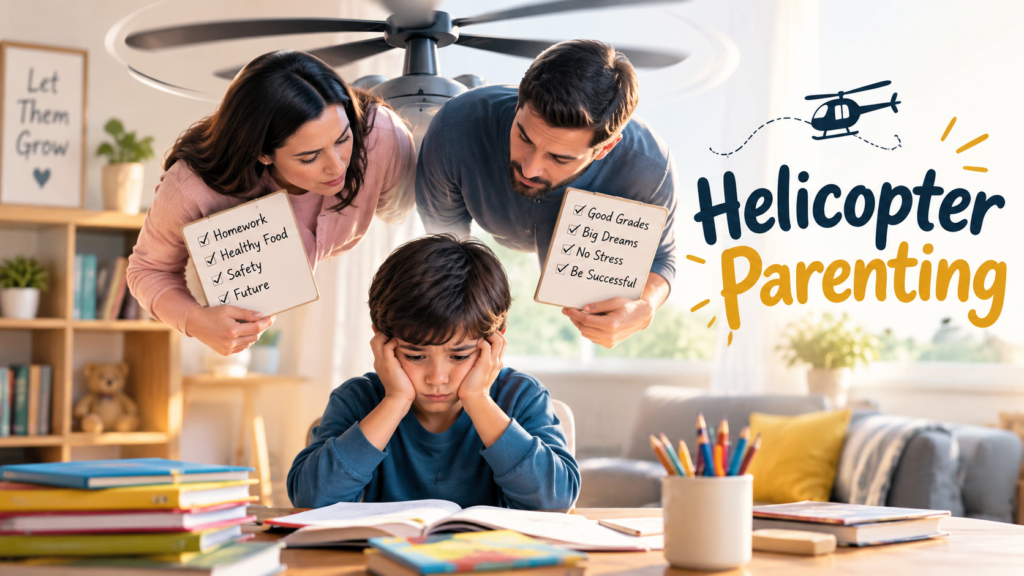
Every parent desires the finest for their child. Secure, prosperous, joyful — that’s the wish, right? And truly , most of us are prepared to do whatever it takes to make that occur . But here’s the thing — sometimes, without even noticing, our care gradually turns into command. In today’s crazy competitive world, a lot of parents have started hovering over their kids every single minute, handling even the minor things of their lives. This method of upbringing children has a name, and trust me, mental experts and educators talk about it a LOT these days. So let’s break it down: what it is, why we do it, what it does to our kids, and how we can stop.
2. Why Helicopter Parenting Happens
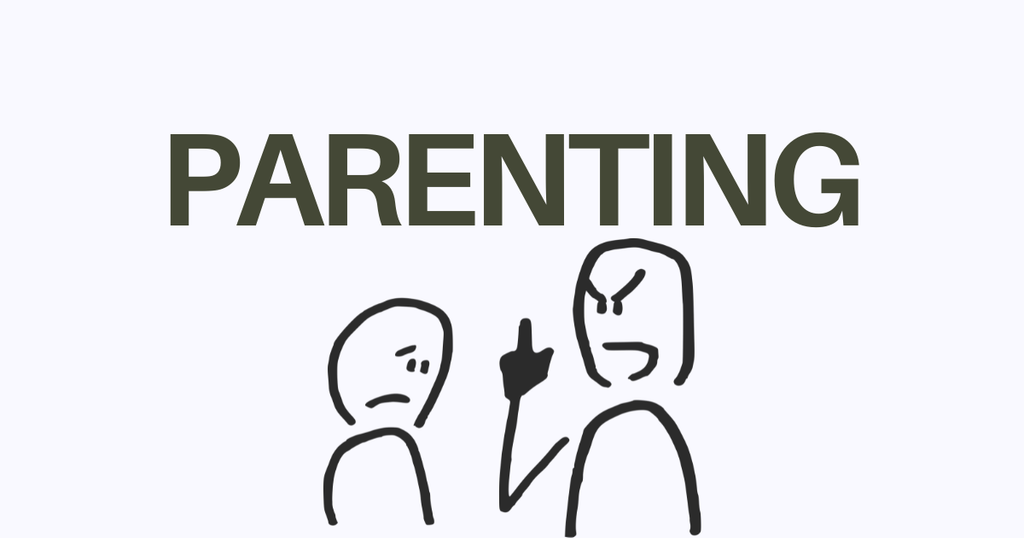
One point is the majority of people don’t realize—no one suddenly thinks, “From today i will be a helicopter parent.” It doesn’t work like that. It grows up slowly, step by step . And behind almost all of it? Fear.
Just look at the world around us. Good schools are few and far between. Jobs are tough to get. And every other parent seems to be rushing their kid from one extra class to another.
And there’s one more layer to this. Many parents had rough childhoods themselves. Maybe their parents were too strict. Maybe they were emotionally distant. So they make a silent promise: “My child will never feel ignored.” Noble intention, no doubt. But in trying to keep that promise, they end up doing everything for the child. That’s the trap.
Truly honestly? Helicopter parenting was never really about the child. It concerns the parent’s own worries, past guilt, and anxiety about tomorrow.
3. What Helicopter Parenting Does to Children
Now for the part nobody wants to hear. The child a helicopter parent is trying hard to raise. Confident, successful, capable. Often grows up to be completely reversed. I know that feels strict. The research keeps saying the identical point .Think about it logically.
When you make every decision how do they learn to decide? They don’t. Studies show that kids raised with helicopter parenting usually have self-esteem.. There’s a simple reason why. Deep down every child understands what over-helping really means.
It means “my parents don’t think I can do this myself.” That’s the message they receive even if nobody ever says it loud .It doesn’t stop there. Many of these kids turn into teenagers then anxious adults. Small challenges feel huge because they never experienced failure when they were young. Some go the opposite direction. Hard rebellion in their late teens, risky decisions just trying to finally breathe and feel free for once.
4. Letting Go: How to Break the Helicopter Parenting Habit
If you recognize yourself in these examples stop for a moment. Take a breath. This is not a failure. This is fixable. Honestly the fact that you are thinking about it means you are already on the path. Most parents don’t even see the pattern until it’s late.
So where do you begin? Start small. Very small.
Let your child pack their school bag. Yes they will forget something. Natural consequences teach more than any lecture ever could. They learn responsibility without you having to say a word. Time your child comes to you with a problem. A hurt foot, a fight with a friend, a missing assignment. Pause. Don’t rush to fix it. Don’t jump in with the solution. Instead ask: “What do you think you should do?” You might be surprised. They often know the answer already.
They just need you to ask the question.Give your child time. Real time. Unstructured time. Time with no schedule, no lessons, no adult, in charge. Boredom is not a thing. Boredom is where imagination starts. Where kids discover what they like.
Where they learn to play on their own. One last thing. The fear of failure. The fear that things will go wrong. The need to control everything. Talk to parents. Read about it. Find books, articles, forums… If the stress feels too heavy. If you can’t stop thinking about your child’s every move. Talking to a counselor helps. More than people realize. It’s not weakness.
It’s care.Will you go back? Yes. You will. Every parent does. One day you’ll rush in grab the backpack, fix the problem,, and take over. That’s normal .What matters is that you keep trying. That you keep stepping. That you let them grow. Because the child you love most is not the one you control. It’s the one who learns to stand on their own.

Conclusion
So here is the line. Helicopter parenting is not a sin. Helicopter parenting is not an upbringing. It is love that lost its direction somewhere along the way. Every parent wants their child safe, successful, and happy. That part is beautiful. The trouble only starts when protection becomes control, when guidance becomes doing everything for the child of walking beside them.
Children do not require parents. Kids do not need controllers, handlers, or full-time protectors. What children require is a parent who stays near enough to hold them during emergencies. And calm enough to let them stumble through the small everyday ones. Because every fall that kids survive on their own becomes a brick in their confidence.