Introduction:
Parenting isn’t a one-size-fits-all task. Most modern psychological understanding of parenting styles stems from the work of Diana Baumrind in 1960-1967, who noticed that parents tend to vary based on two main factors: demandingness and being responsive. Types of parenting are those approaches which are used by parents for the upbringing and guidance of their children. These approaches teach them how to regulate their emotions. These parenting styles influence children’s personality, confidence level, behaviour and mental health. Scientifically, there are four types of parenting. The first one is authoritative parenting, which is about setting boundaries and roles with love and support for their child. They understand and give importance to the feelings and emotions of their child and make them responsible.

Gentle parenting is also called a modern form of authoritative parenting. The second one is authoritarian parenting, which is very strict, uses frequent punishment and expects obedience from their child. This is less supportive and makes strict boundaries. Third is permissive parenting, in which parents are very lenient and soft, and there is less discipline and fewer roles for kids, but it gives extra freedom to kids. Fourth is uninvolved parenting; they pay less attention to children, and their emotions and needs are mostly ignored by their parents. Here we will explain only three types of parenting styles, which are authoritarian parenting, uninvolved parenting and permissive parenting styles.
Authoritarian parenting:
Authoritarian parenting is when parents want their children to do what they want. Their parents want their children to follow their strict rules because these strict rules make children successful, and there are no rules for discussion on the decision their parents had finalised for their children. Parents have high expectations for their children to obey them and fulfil their dreams without questioning them. They make them obedient so that they listen to everything they say without hesitation, and the discipline they give is fair and reasonable. Children have little emotional connection with their parents and are not given the freedom to take their own decisions. If children don’t listen or make a mistake, instead of explaining, parents punish them and don’t let the children have their own opinions. Children cannot make their own decisions. If they ask questions of their parents about their decisions and rules, their parents say, ‘No, I have told you once, so don’t ask me this question again and again. I have already made a decision. Now I don’t want to talk about it again.
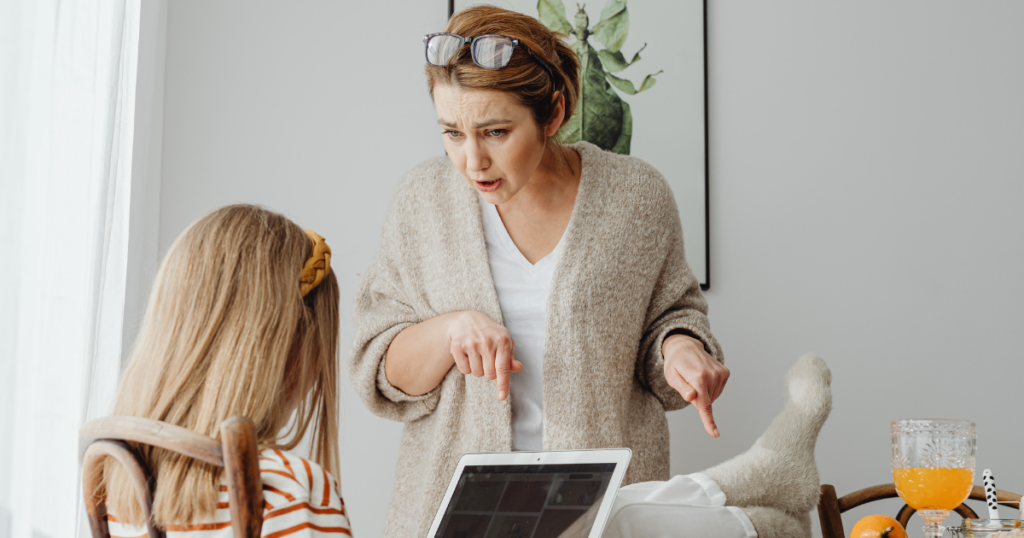
So they expect their children to obey and respect everything they say. They don’t like questions and arguments. In addition, they create strict discipline so that the child follows them. In their opinion, what they are creating is a full-fledged path to success for their children, and the communication that does occur is mostly one-way because they feel that their children cannot make the right decisions about themselves.
Effects on children of authoritarian parenting:
- Children develop feelings of worthlessness.
- Low confidence and self-esteem
- Difficulty making independent decisions
- May hide mistakes due to fear
- Can become aggressive or very quiet
Permissive parenting:
In permissive parenting, parents are very lovely and friendly with their children and set some boundaries and give them lots of freedom. They think that freedom made them creative and innovative. Parents become their friends and allow them to make their decisions freely. https://gentleguidance.online/ Unlike authoritative parenting, they avoid limited boundaries and punishment when they make a mistake. They think by doing this they are giving a happy childhood to their kids. They feel guilty when they fail to spend time with their family. Being friendly, a strong emotional bond develops between them.
Parents avoid saying ‘no’ to their children because they don’t want to disappoint their children. They are making their children feel safe and heard and also involved in their emotional life. Permissive parents are supportive, and they avoid conflict. Fewer rules and boundaries make children’s imaginations strong and increase their self-confidence. They have high self-esteem, strong communication skills, and their own choices at their young age.

But permissive parenting spoils children because the father doesn’t impose many restrictions, which spoils the children’s development. Too much lenience spoils children. For example, don’t set a bedtime for children.
Pros and cons of permissive parenting:
Pros of permissive parenting:
- Felt confident
- High self-esteem
- Emotionally attached to their parents
- Feel free to express their thoughts
- Innovator and have strong imagination
Cons of permissive parenting:
- Face difficulty in following rules in school and society
- May become irresponsible
- Face difficulty regulating emotions
- Difficulty with authority
Uninvolved parenting as a type of parenting:
In uninvolved parenting there is a lack of emotional support and warmth and minimal engagement with their children. They fulfil only their basic needs, like food, shelter and clothes. There implement only few resructions. They let their children make their own decision. They miss their children’s parent-teacher meetings, school events and their day of success. Uninvolved parenting is harmful because their lack of attention makes their children feel unsafe and less confident.

Because children need love, emotional support and attention for self-development. Lack of anything can damage children’s personality. They are disconnected from the activities of children’s daily life, their education and their interests. Children feel unloved, insecure and lonely and have low self-esteem. Parents have high expectations of their children. Because parents’ expectations are clear, some children become anxious to get attention, and sometimes they become furious due to the lack of attention of their parents. They have low self-esteem; therefore, children feel unwanted or unworthy. Emotional neglect leads to these. Here are four parenting styles with their simple definitions and their emotional and behavioural challenges in easy words
Behavioural and emotional challenges in different types of parenting:
Permissive Parenting
- Children may act without thinking before doing something because there are no limits and instructions.
- They may struggle in school or structured environments because they are not used to restrictions and authority
- Children feel exhausted when rules suddenly appear outside the home.
- Their emotional regulation is weak and leading to tantrums.
- Authoritative Parenting
- Some children may test boundaries https://www.ncbi.nlm.nih.gov/books/NBK568743/, but they use it in a safe way.
Authoritarian Parenting as a type of parenting:
- Parents are very strict and controlling, with less warmth and emotional support.
- Fearful behavior
- Low confidence in decision-making
- Rebellion or secretive behavior
- Emotional Challenges
- Low self-esteem
- Anxiety and stress
- Difficulty expressing feelings

Uninvolved Parenting
- Parents give little attention, guidance, or emotional support.
- Poor self-discipline
- Aggressive or careless behavior
- Low interest in responsibilities
- Emotional Challenges
- Feeling lonely or unloved
- Low self-worth
Conclusion:
in different types of parenting, every parenting style has a strong impact on a child’s behaviour, personality, and emotional health. Authoritarian parenting may create discipline, but it can also make children fearful, less confident, and emotionally distant. Permissive parenting gives freedom, but too much freedom can make children careless and less responsible. Similarly, neglectful or uninvolved parenting can cause emotional problems, loneliness, and low self-esteem in children.
The best approach is balanced parenting, where parents show love, support, and understanding along with clear rules and guidance. Children need both care and boundaries to grow into confident, responsible, and emotionally strong individuals. When parents listen to their children, understand their feelings, and guide them in a positive way, it creates a healthy relationship and supports their overall development.