Fostering and Adoption Explained
Families form in many ways, yet care stays at the heart of every path. Adoption arrives later, often after legal ties shift, offering a permanent place to belong. One opens doors for healing, while the other plants roots that last forever. Fostering and adopting paths differ: paperwork, timelines, and emotional turns—all shape each experience uniquely. Some stay short-term, others stretch into years; intent shapes what comes next. No single road fits all, just like no child shares the exact same needs. Clarity begins by seeing how goals guide actions behind closed doors.
What Is Fostering
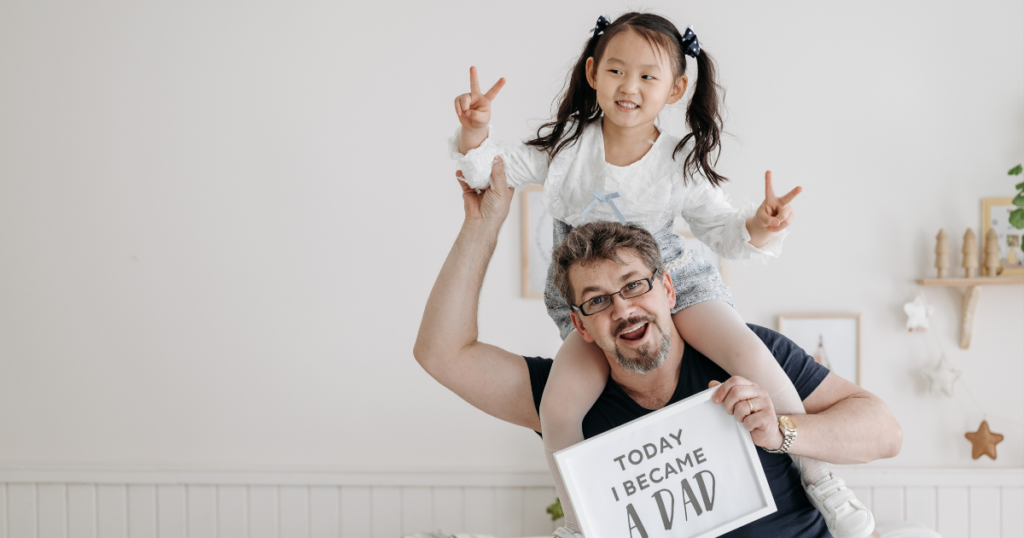
A child moves into a foster home when staying with their birth family isn’t safe right now. That household steps in to handle meals, routines, school runs, and quiet moments when fears surface. When ties to the original family can be restored, that becomes the aim—rebuilding what was fractured. Other times, paths shift; permanency comes through legal adoption instead. Support flows day by day, not through grand gestures but steady presence.
What Is Adoption
A child gains new legal parents when adoption happens – it cuts old ties, builds fresh ones. The court seals the change so everything shifts: names, inheritance, belonging. Some kids join families after time in temporary homes; others come through special groups that arrange matches. Countries sometimes allow children to move across borders into new lives too.
Fostering kids takes time, care, deep listening – each day brings new lessons. Though adoption changes paperwork first, it shifts hearts just as fast. One begins with a phone call, the other through court dates; both grow roots through presence. Children arrive carrying silence or shouts; adults must meet them there. These paths twist differently on paper, yet bend toward belonging in the end.
The Emotional Ups and Downs of Foster and Adoptive Parents
Starting down the path of foster care, then moving toward adoption, carries more than just plans. Feelings rise – moments full of promise, mixed with doubt, sudden happiness, even sorrow that catches you off guard.
Preparing the Heart and Mind
Facing a child’s past pain is part of welcoming one into your home. Kids stepping into foster care often carry confusion shaped by shifting homes or sudden goodbyes. Patience matters more than quick fixes when building bonds with them.
Families gain stronger ways to connect when they explore how kids form attachments. Because caregivers begin to notice patterns in behavior, responses shift gently over time. When moments of stress arise, new tools come into play without force. Understanding emotions helps parents pause before reacting too fast. Secure relationships grow not through perfection but through small consistent efforts. What matters most shows up in daily routines full of patience.
The Needs And Experiences Of Children
Facing unknown futures, kids without permanent homes feel things deeply. To help well, grown-ups must notice what lies beneath quiet moments or sudden outbursts. What they need most hides between words never spoken.
Emotional and Psychological Needs
Starting over in a new home often leaves kids uneasy. One moment they’re here, next thing life shifts without warning. Because trust has been broken before, getting close feels risky. What helps? Knowing what comes next, every single day. A steady voice at bedtime means more than words let on. When grown-ups stay patient through outbursts, it builds quiet confidence. Surprises aren’t always good – sameness makes space to breathe. Slow moments add up when everything else changed fast.
Educational and Social Support
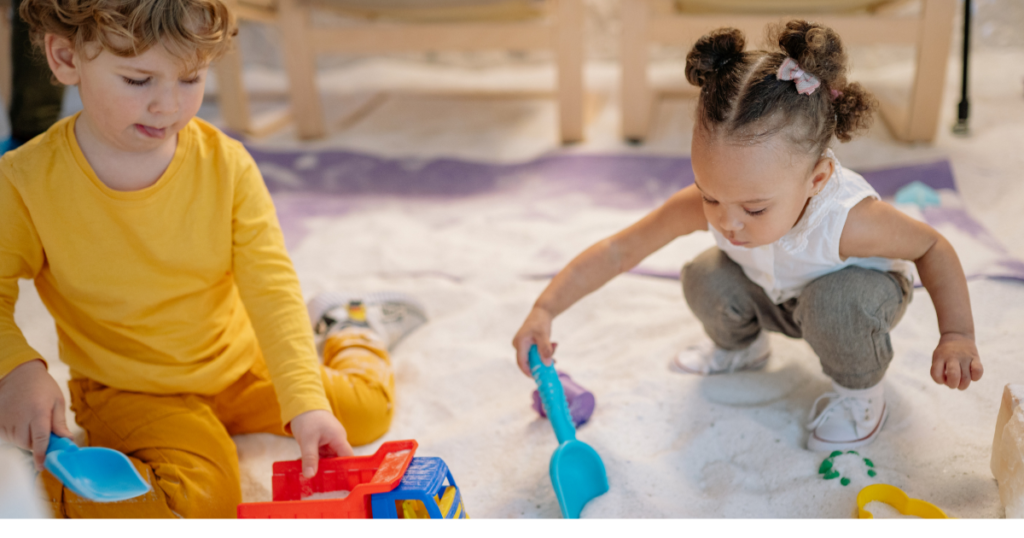
When kids get chances to make friends, they grow stronger in how they connect with others. Starting something new – like painting, running, or joining a club – helps them feel part of a group. These moments add up, shaping how sure they feel about themselves. Belonging somewhere steady gives comfort, even when things change fast around them.
When kids move often between homes, their schooling tends to suffer. Because of this, those who open their homes must step in – making sure learning stays steady. Talking regularly with educators helps spot gaps early. Stability begins when adults connect, listen, work together behind the scenes.
Becoming a Foster or Adoptive Parent
Starting out, would-be parents face a process built on readiness checks, background reviews, learning sessions. Even if rules differ depending on location or organization, some parts show up every time.
Application and Home Study
Picking a path forward often starts with sending paperwork to an approved agency. After that comes a visit called a home study – checks happen, talks take place, rooms get looked over. It’s less about flawlessness, more about making sure kids would land somewhere steady and kind.
Looking into home studies means checking how people parent, what drives them, money situations, along with networks that help. Being truthful here really matters. Children get placed where families understand exactly what they’re ready for.
Training and Licensing
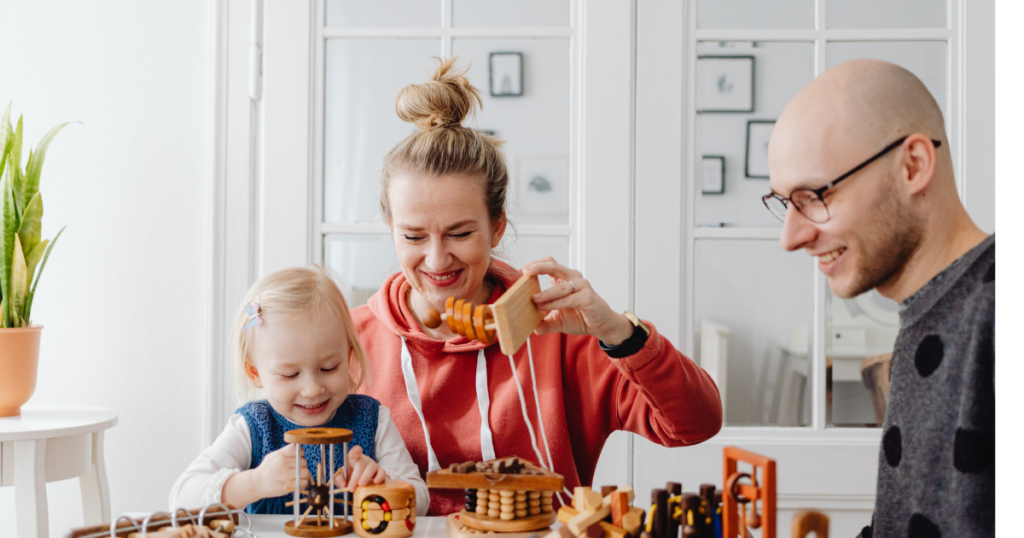
Most foster parents go through required classes focusing on how kids grow, ways to help those affected by trauma, one session at a time. Training for adoptive parents can differ, shaped by the path they take toward welcoming a child into their home.
Families might sit tight after approval, waiting to get paired with a kid. Tough feelings often show up during this stretch – yet there’s space here to ready yourself, to think things through.
Long Term Effects and Ongoing Responsibility
Starting a family through care or adoption doesn’t stop once papers are signed. These paths grow quietly over years, stitching into who people become, how they connect, long after the first day fades.
Stable and loving environment
Little ones grow best when they sense care around them. When routines take shape – meals together, tales at bedtime, weekend walks – trust takes root. Caregivers who listen well, mark small wins, stay present, create steady ground. Moments that repeat become anchors, not just habits.
When rules stay steady and hearts feel safe, kids begin to believe. Slowly, that belief grows into how they connect with others later in life.

Conclusion
Families open their homes through fostering or adoption, showing deep kindness without seeking praise. These choices take steady effort, strength, slowly built trust. Though rarely easy, each step carries quiet weight. Whether for a short time or forever, care offered reshapes childhoods marked by uncertainty. A place to belong changes everything, one day at a time.