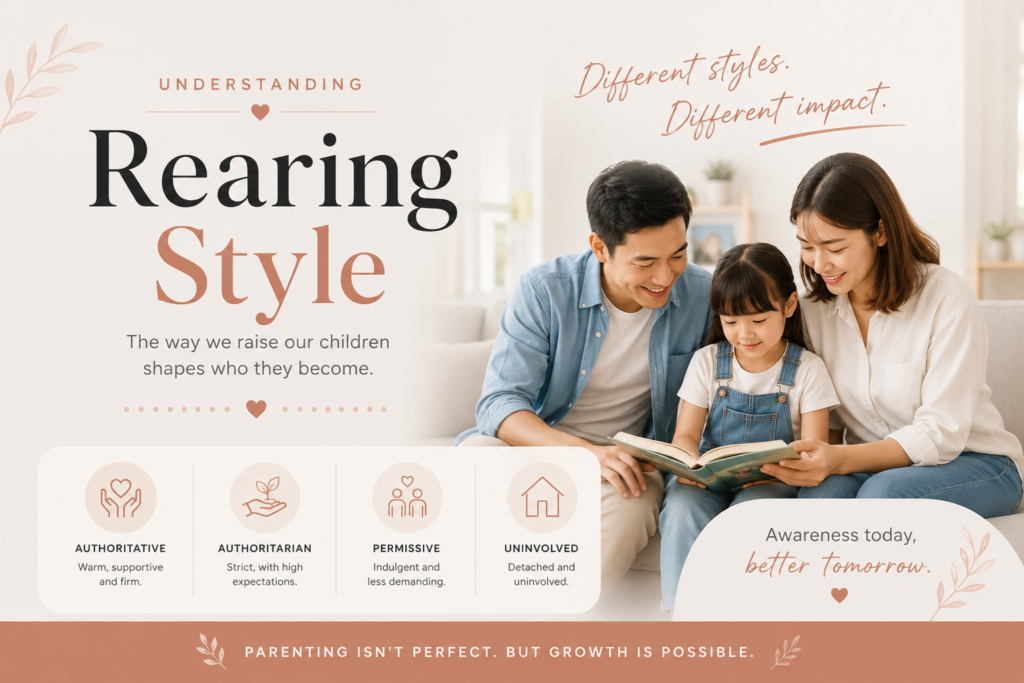
Parenting classes help adults learn how to guide kids with more confidence. From birth onward, young minds grow fast—lessons can keep caretakers ahead. Talking clearly, staying calm during tough moments, working through disagreements: each skill builds stronger bonds. Some attend before baby arrives; others come back after years of raising children. Understanding emotions, spotting milestones, setting limits without yelling—small changes often make days smoother. Growing alongside a child takes patience, yes, but also practice. Most find comfort simply knowing they’re not figuring it out completely on their own

Parenting Classes Can Help
Parents often find new ways to connect when they join parenting classes. These gatherings open doors to better understanding little ones. Learning together helps grown-ups feel more confident. Moments shared in class sometimes lead to quieter homes at night. Better communication shows up during breakfast, in car rides, and even at bedtime. Each tip picked up might shift how a family moves through the week. Small changes tend to grow where trust is built. Quiet progress happens when someone listens well
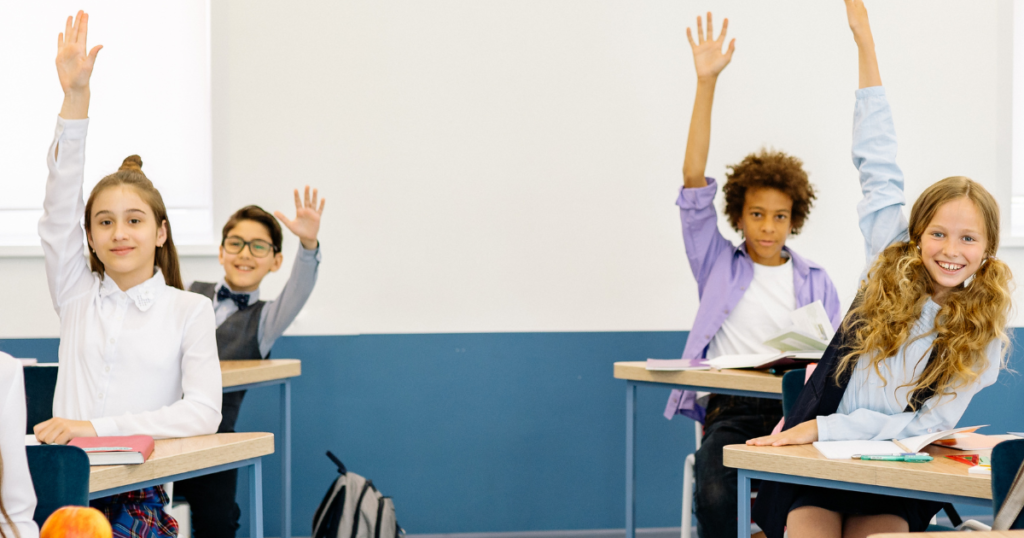
Starting out, most moms and dads doubt themselves. Yet stepping into parenting courses slowly swaps hesitation for steady choices. One session at a time, unsure thoughts turn into clear actions.
When kids grow, parents learn what to expect at each phase—this shapes how they support their children. A clearer picture of development means better timing for advice and care.
When families join classes, they might meet people going through alike situations. These moments build quiet bonds over shared experience. A kind of group forms without needing to say it out loud.
When parents go to these sessions, they grow better at handling challenges while building a space where kids feel safe to learn and connect. A steady rhythm of care begins simply by showing up.
Parenting Class Types
A range of parenting courses exists, shaped by distinct purposes. Some focus on toddlers; others build skills for teens. One type helps during early parenthood; another supports blended families. Certain sessions happen online, while some meet in community centers. Each option adjusts to life’s uneven rhythms. Not every class fits all, yet most offer steady guidance
Baby on the way?
These classes help grown-ups get ready. One session might show how to hold a tiny infant safely. Another explores feeding with breast milk instead of bottles. Some meetings talk about feelings after birth, the quiet moments, and the hard ones too. Learning happens through talking, trying things out, and even asking odd questions. Each class fits together like pages in a notebook—separate, yet part of one story. Getting prepared feels different for everyone, no single path.
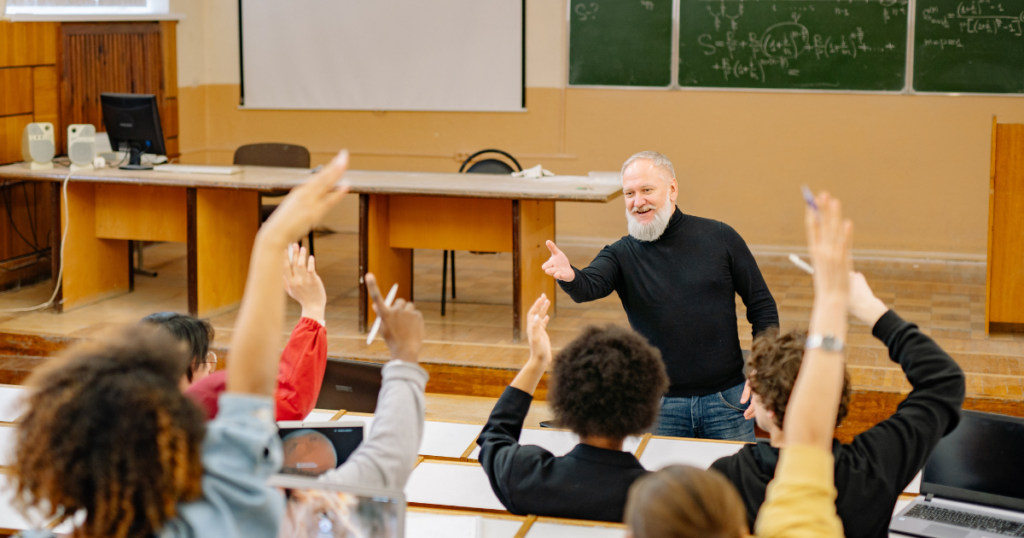
Little kids bring big challenges
Parents of toddlers and preschoolers find support here. Emotions run high at home sometimes, so tools help everyone calm down. Learning begins long before school starts. Sharing, taking turns, listening—these grow step by step. Feelings get named. Conflicts turn into lessons. Routines build confidence. Curiosity gets space to stretch. Each moment matters more than you think.
School Years & Independence
A different kind of support shows up for moms and dads when kids hit elementary or middle grades. These sessions pay attention to how schoolwork flows at home. Friendship challenges come into view around these ages, too. Independence begins to grow slowly during these years—class time makes space for that shift. Learning happens both in classrooms and through family habits. Some meetings explore what helps a child take their own steps forward.
One kind of session gives moms and dads methods that fit how old their kids are. Another setup adjusts tactics based on what each child requires. Some lessons hand out skills shaped by developmental stages. A different format offers approaches built around growing challenges. Every model passes along know-how meant for specific family situations.
What parenting classes include
What kids need most often shows up in sessions meant to guide grown-ups. A talk about daily routines might come right after one on handling big feelings. Listening well could follow an example about staying calm during tough moments. One part may focus on patience, another on how words land when tempers rise. Simple habits—like eye contact or waiting before reacting—sometimes take center stage. Moments of connection tend to weave through lessons on consistency and care.
Understanding Child Development and Growth Patterns
Little minds shift as they grow, each phase bringing fresh ways to see the world. Feelings bubble up differently by age, shaped by what comes next. Actions unfold step by step, guided by unseen inner clocks. Moments stack into patterns that reveal how young thoughts take shape. Growth isn’t steady—it jumps, pauses, and circles around.
Listening well means giving full attention without rushing to reply. A clear message often begins with calm words, not loud ones. When tensions rise, pausing helps more than pushing forward. Words build bridges when spoken with care, not force. Understanding grows where space is given, not taken. Peaceful solutions appear through patience, never pressure.
Parenting brings heavy days.
Yet peace finds its way through small pauses. A moment outside shifts the weight. Breathing slowly helps even when chaos hums nearby. Sleep matters more than pushing forward. Talking keeps isolation at bay. Laughter shows up in tired voices. Food fuels moods just like energy. Walking breaks tension without effort. Quiet mornings shape clearer heads. Patience grows where exhaustion once lived.
Starting strong with feelings.
showing kids how to understand others, bounce back when things go wrong, then handle tough moments without melting down
Time Management and Routine.
Procedures for balancing parenting classes, work, and personal life effectively. Families often find balance when routines include what parents learn. Lessons turn into habits through small choices each day. A quiet moment here, a shared task there—peace grows slowly. What matters most shows up in how everyone treats one another.
Parenting Classes Help Families Grow Stronger
Kids thrive when routines get steadier, thanks to what caregivers pick up in workshops. A calmer home often follows, where feelings are named without fear. Caregivers feel less overwhelmed, finding joy in small daily moments. Tough talks shift toward listening, not winning. Connections grow deeper because reactions slow down.
When moms and dads join these sessions, their kids tend to feel more confident. Better friendships often follow. School work usually gets stronger too. Spending hours here builds a base that lasts years. Feelings stay steadier later on because of it.
Finding the Right Parenting Class
Start by spotting what feels tough—maybe handling a baby’s routine, setting limits, or staying emotionally steady. Look close at which moments drain energy or cause doubt. Pay attention when frustration builds or confusion kicks in. Notice patterns where help would make things clearer. Zero in on specific struggles instead of general stress. See where extra knowledge could ease daily pressure. Focus shifts happen when one part of parenting weighs more than others.
Picture how you learn best—maybe face-to-face talks work, maybe screens do. Some mix of both could fit just right. Think about when you’re free during the week. Your rhythm matters more than rigid plans. Time slots shape what feels natural. A morning chat online might beat an evening crowd. Or the reverse. Match pace with life’s flow.
What do other moms and dads say about how well it works? Look into their thoughts before deciding. Some have already tried it out—see what stood out to them.
Money matters. See if you can afford it without stress. Time counts too—does it last long enough to really get into what matters? Think about how much is covered and whether that matches what you need to learn.
Conclusion
Now here’s a fresh take on raising kids—ever shifting, never static. Patience shows up most when things get messy, while knowing what works matters just as much. Flexibility slips in quietly, making space for new ways. These courses bring real talk and hands-on tips instead of vague advice. Caregivers find common ground through stories others tell. Tough moments become easier to carry together. Growth happens slowly, though it’s often hard to see day to day.
Starting down the path of parenting courses means more than picking up tips. It opens space for warmth, steady care, and every chance kids need to grow strong. Your role shifts slowly, shaped by moments that build trust. Little by little, confidence builds—not from rules but from shared rhythm. Learning happens both ways, child and adult leaning into each day. The room fills with quiet strength, built not loud but deep. Growth shows not leaps but small steps forward together.